
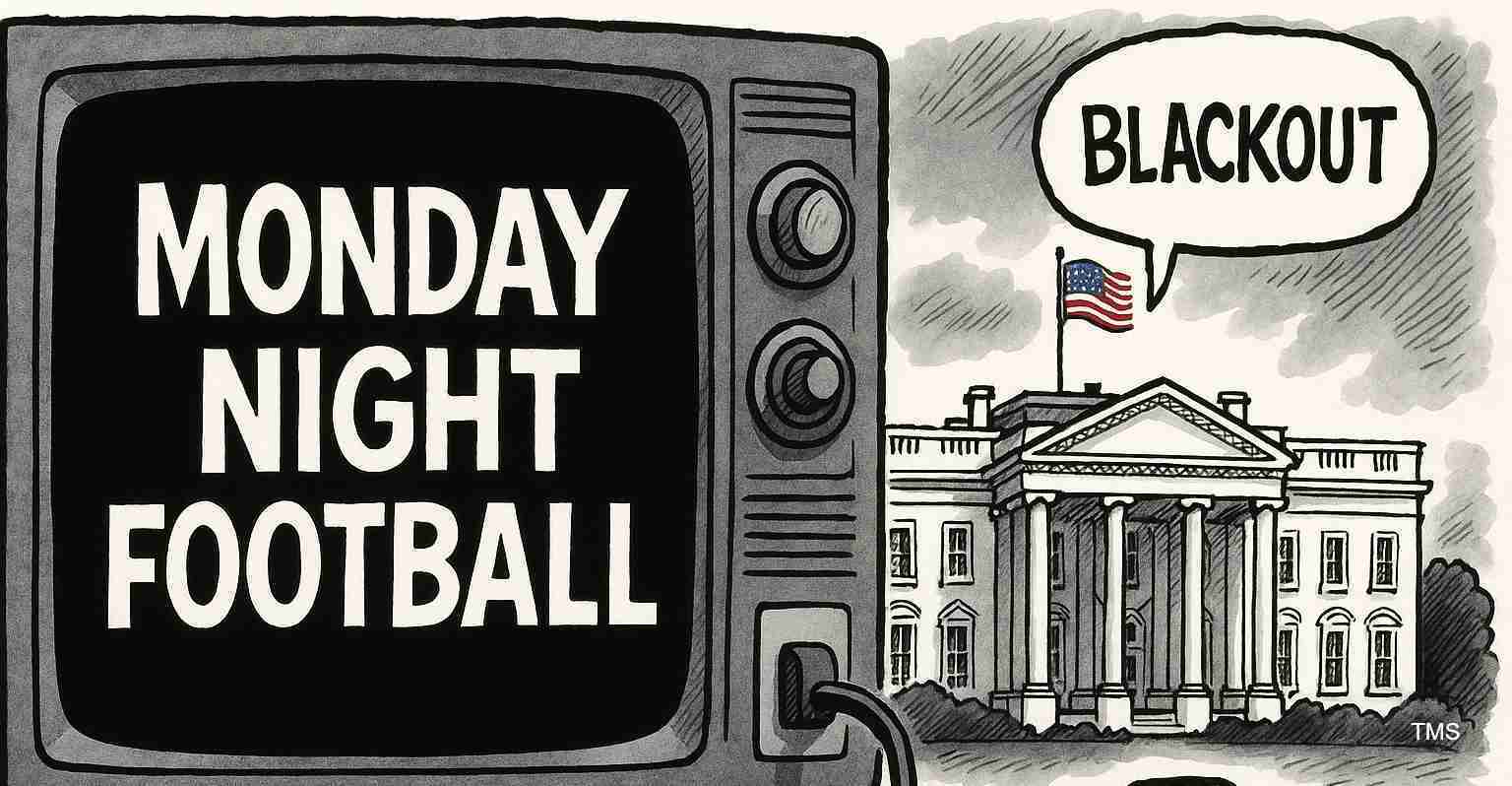
Washington Post Rebukes Elizabeth Warren for Linking Monday Night Football Blackout to Trump amid Disney-YouTube TV Dispute
Sen. Elizabeth Warren sparked controversy by blaming former President Donald Trump for a Monday Night Football blackout on YouTube TV amid a Disney-Google contract dispute, prompting a rebuke from The Washington Post editorial board over politicizing a private business matter.
- Carriage dispute: A contract breakdown between Disney and YouTube TV removed Disney-owned channels, including ESPN, causing a Monday Night Football blackout for some subscribers.
- Warren’s claim: She argued the blackout showed corporate concentration and faulted the Trump administration for insufficient antitrust enforcement; a recording of her remarks circulated online.
- Post rebuttal: The Washington Post editorial board said the episode looks like a private-sector negotiation, not a direct result of federal policy, and criticized Warren’s political framing.
What happened: the YouTube TV–Disney dispute and the blackout
Contractual breakdown: Negotiations between Disney and Google’s YouTube TV stalled, and Disney-owned channels — including ESPN and ESPN2 — were temporarily removed from the platform for some subscribers. The immediate result: YouTube TV customers could not access Monday Night Football via that service until a new carriage agreement was reached.
Carriage disputes generally center on renewal terms, fees and distribution rights. When talks fail, companies sometimes pull channels to increase leverage. The consequence for viewers is a sudden loss of access to live events and high-profile programming.
Elizabeth Warren’s comments and the viral reaction
Sen. Elizabeth Warren seized the incident to illustrate her longstanding concerns about corporate consolidation and antitrust enforcement. In a public statement she said: “You might not be able to watch Monday Night Football tonight. Why? When companies get too big, they have the power to cut off your favorite channels. That’s what’s happening here. And what’s Trump done about it? He’s let them get away with it.”
A video recording of her remarks circulated widely online and was cited by commentators.
Context: Warren has advocated for tougher antitrust measures for years; she framed the YouTube TV–Disney dispute as symptomatic of unchecked corporate power and insufficient enforcement during the Trump administration.
Washington Post editorial board pushes back
The Washington Post editorial board rejected Warren’s linkage of the blackout to former President Trump, arguing the dispute appeared to be a commercial negotiation between private firms rather than a direct policy failure. The board suggested such matters are typically resolved by the companies and questioned whether it was appropriate to hold the administration directly responsible.
Note: A full text of the editorial was not located in the materials reviewed for this report, but public commentary and clips reflect the board’s central critique. See the video that captured reactions and commentary.
Why the dispute drew political attention
This episode sits at the intersection of two debates:
- Market remedies vs. regulation: One view holds that private negotiations and competition will correct behavior; the other argues for stronger government oversight when firms gain market power.
- Presidential influence: Critics of Warren say she oversimplified carriage mechanics and implied the president could directly resolve private contracts; supporters say the broader pattern of consolidation merits political and legal scrutiny.
Media practice and public reaction
Industry trend: Temporary blackouts are a known tactic during carriage negotiations, now amplified by streaming bundles and digital platforms. Live sports raise the stakes because they drive subscriptions and immediate viewer complaints.
Public reaction: Social media amplified both Warren’s message and the Post’s rebuttal. Responses split along policy lines — some praised Warren for highlighting corporate power; others said she politicized a routine business dispute and risked advocating undue government intervention.
Implications for Fresno, California
Economic impact
Local cable and streaming subscribers: Fresno households relying on YouTube TV may have missed Monday Night Football and other Disney content, potentially causing frustration or subscription cancellations.
Local businesses: Bars and viewing venues that stream games risk lost revenue during major matchups if their service loses channels, reducing foot traffic on game nights.
Advertisers and local media: Promotions tied to national sports broadcasts can see diminished returns during blackouts, causing ripple effects for local ad buys.
Political consequences
Voter views: The dispute may shape local conversations in Fresno about antitrust enforcement and consumer protection, particularly for those weighing government intervention in markets.
Officials and leaders: Local leaders may face constituent questions and pressure to clarify alternatives, such as over‑the‑air broadcasts or other streaming options.
Social effects
Community gatherings: Blackouts can disrupt traditions of watching games together, affecting morale during big events.
Access disparities: Households without multiple streaming options are disproportionately affected when a single provider experiences a blackout.
Cultural relevance
Sports and identity: Football is embedded in routines for many in Fresno; interruptions strike at everyday cultural practices from watch parties to family gatherings.
Media consumption shifts: The dispute highlights how national business negotiations can change local viewing habits and push conversations about backup options.
Practical applications for Fresno residents
Actionable steps for viewers and local venues:
- Check backup options: Confirm whether games are available over local broadcast stations or alternative streaming services.
- Contact providers: Ask YouTube TV or Disney about refunds, temporary credits or resolution timelines.
- Monitor official notices: Bars and venues should follow official platform and network statements to update patrons.
- Consider options: Some viewers may benefit from multiple subscriptions or investing in over-the-air reception to avoid future interruptions.
Reporting note & source attribution
This article draws on a public statement by Sen. Elizabeth Warren; a video recording of the remarks is publicly available. The Washington Post editorial board’s pushback was reflected in public commentary and clips that cite the editorial stance; a full copy of the editorial was not located in the materials provided for this report.
Further coverage: This story will track developments in the Disney–YouTube TV negotiations and any official responses from The Washington Post editorial board or Sen. Warren’s office.



